



A total of 26 films from 24 countries will be screened under the open sky in Borići Park, with the majority of them having their Serbian premiere.
All films presented in the Competition Program will compete for the awards presented by the Main Jury, including the Golden Imagination Award for Best Film, the Golden Interpretation Awards for Best Actress and Best Actor, as well as two Special Mentions.
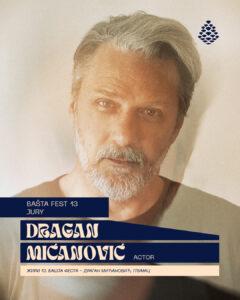
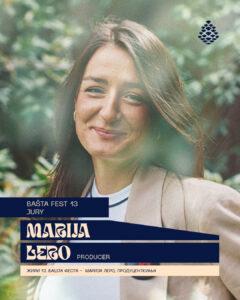
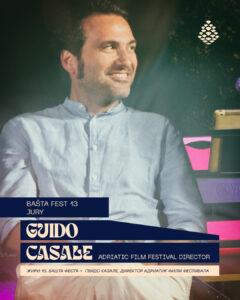
This year’s jury consists of renowned Serbian actor Dragan Mićanović, celebrated for his numerous film, television, and theatre roles; producer Marija Maša Lero, whose award-winning productions include How Come It’s All Green Out Here? and The Last Image of Father; and director Guido Casale, founder and artistic director of Italy’s Adriatic Film Festival.
“I remember attending the very first Bašta Fest thirteen years ago with a short film made by production students at the time. The film was called Bašta. So, with Bašta, we came to Bašta for Bašta Fest. We had a wonderful time, enjoyed the warm hospitality of our hosts, swam in the Drina—my favorite river—rafted on Lake Perućac, sang, and truly enjoyed ourselves,” recalls Dragan Mićanović. “Thirteen years later, I can’t wait to meet again the wonderful people who organize this festival, who preserve it, nurture it, and continue to improve it. I sincerely wish them perseverance in these challenging times for our profession. May Bašta continue to flourish and brighten, at least a little, this painful reality. See you in Bajina Bašta!” said Dragan Mićanović.
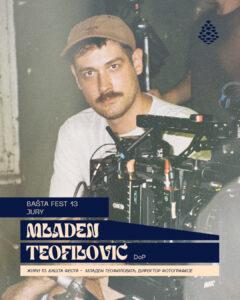
Once again, Bašta Fest will present the regional Golden Visualization Award for Best Cinematography in cooperation with Cineplanet Rental. The award is decided by a professional jury, and this year’s jury member is cinematographer Mladen Teofilović, known for his work on Serbian feature films such as The Sun Never Again and Nobody Said Anything, as well as the third season of the television series Black Sun.
YOUTH JURY
The Youth Jury, made up of high school students from Bajina Bašta, also presents its own award for Best Film. Their participation in the festival encourages critical thinking and active engagement among local youth. This year’s Youth Jury members are: Teodora Petronijević, Sofija Živković, Mateja Josipović, Jovan Mandić, and Mario Jašić.
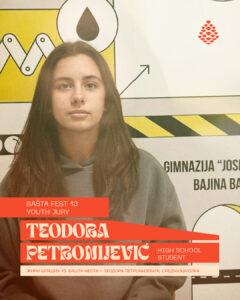
Teodora Petronijević is a student at Josif Pančić Gymnasium. In my free time, I practice athletics, and my hobbies include watching films, spending time with friends, and discovering new things.
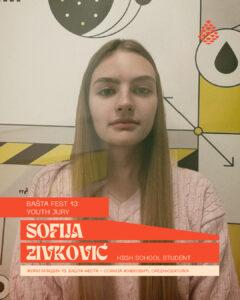
Sofija Živković attends Josif Pančić Gymnasium. Her greatest interests are literature, films, and television series. She also enjoys spending time with friends and participating in a traditional folk dance ensemble. She sees Bašta Fest as a festival that provides an important platform for young filmmakers, and it would be a great honor and a wonderful experience to evaluate films and discuss them as a jury member.
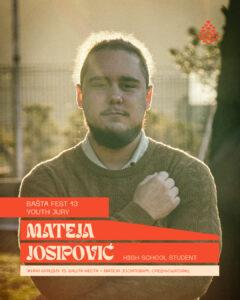
Mateja Josipović is 19 years old, and this month he graduated from the Technical School in Bajina Bašta, where he studied Tourism. He works in photography and videography, and spends his free time actively, mostly through sports and outdoor activities. One of his greatest passions is watching films, and in the future he would like to pursue a career in film production.
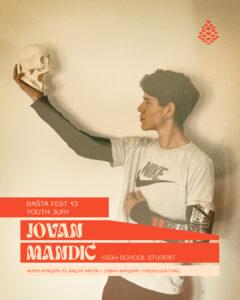
Jovan Mandić is a student in the Natural Sciences and Mathematics program at Josif Pančić Grammar School and a great admirer of alternative music, style, and culture in general. His favorite band is Iskaz, and his favorite film is Dudes (Munje!). He truly enjoys films and would like to share his thoughts with others.
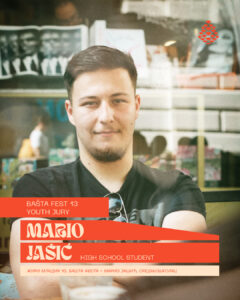
Mario Jašić is 18 years old and has graduated from the Josif Pančić Gymnasium. He is drawn to film because it allows him to discover different stories, ideas, and perspectives. He would love to share his enthusiasm and opinions through his participation in the Bašta Fest Youth Jury.
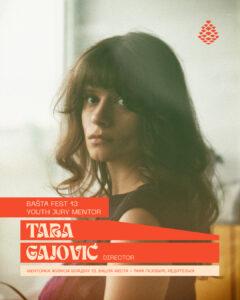
The Youth Jury will be mentored by director Tara Gajović. Her short film Over the Threshold, developed through the Bašta Pitch program, had its world premiere this year at the Cannes Film Festival.
“I am especially looking forward to working with young people because their interpretations often reveal things that we adults overlook, guided by our own personal experiences. Through discussions about film and life, we explore emotions, states of mind, and events together, searching for new meanings and different perspectives. It is not only we who teach them—we also learn from them, because their way of thinking opens up new perspectives on reality and enriches our understanding of the world.”